

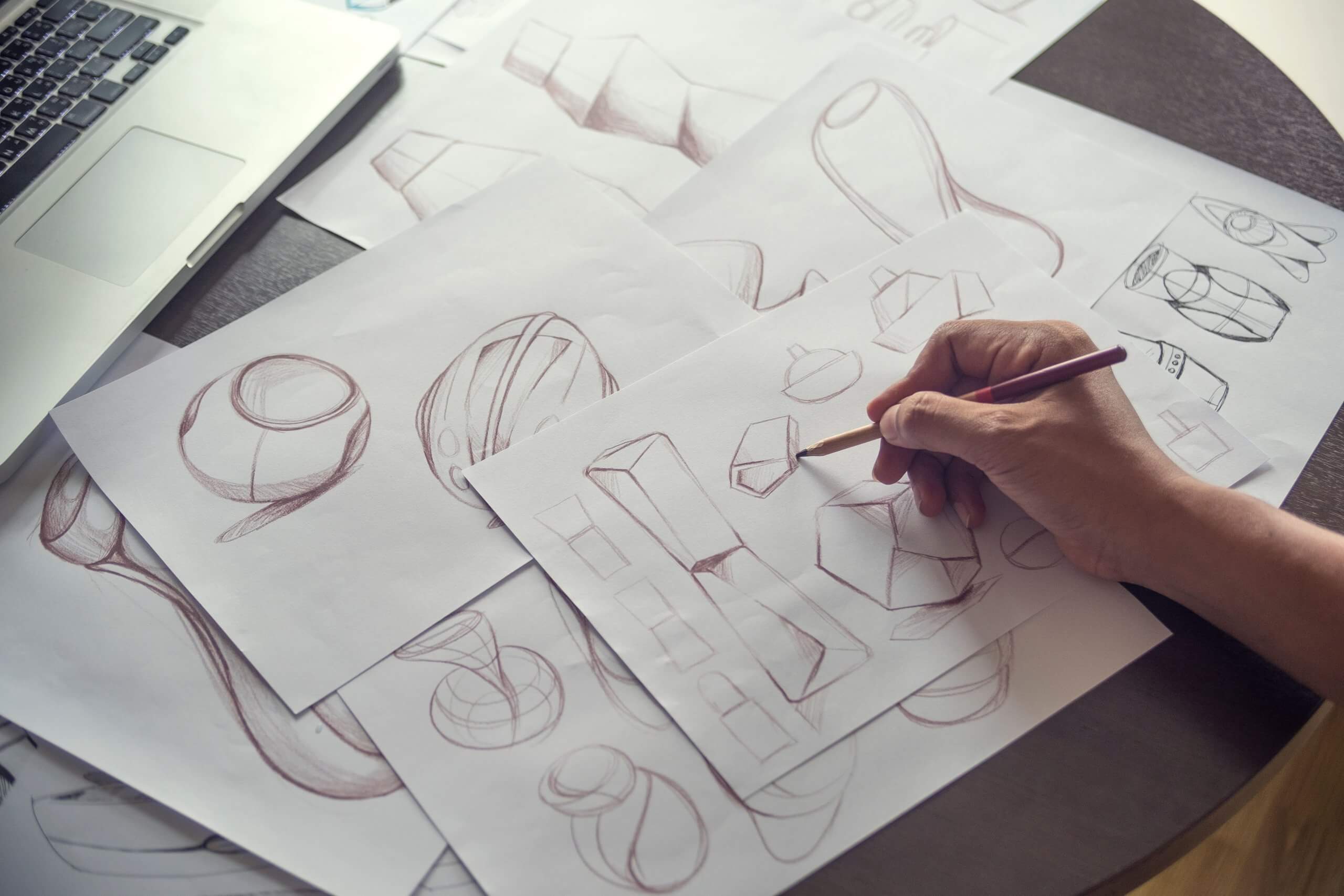

In the fast-paced landscape of design and innovation, the aesthetics of products stand out as a key element. Beyond its intrinsic technical functionality, protected by patent law, and its name in commerce, covered by the trademark, the visual appearance of an item is highly influential in that it is key to capturing consumer attention and differentiation in the marketplace. In this context, a thorough understanding of industrial designs and the vital role of intellectual property become essential to safeguard the originality and distinctive visual identity of creations.
The essence of industrial design: exploring aesthetics
In the legal field, industrial designs encapsulate the aesthetic and visual essence of a product. They go beyond its practical functions and focus on elements such as shape, lines and colors, even textures, contributing significantly to the creation of its unique appearance. Protecting these aesthetic aspects becomes imperative if creativity and innovation in design are to be recognized and respected.
Aesthetics as a key element: beyond the surface
A product’s aesthetics is not simply a superficial feature; it is an integral part of its identity. The visual presentation of a product can have a profound impact on consumers’ perception and, consequently, on their purchasing decision. The protection of these aesthetics, through industrial designs, not only preserves originality, but also adds intrinsic value to the brand, creating a distinctive image in the consumer’s mind.
The path to industrial design registration: legal backing for creativity
The industrial design registration process provides legal support for the creativity and aesthetics of products. Although the details may vary from jurisdiction to jurisdiction, it generally involves the submission of visual representations, such as drawings or images, that clearly capture the design in question in detail. Obtaining a registration confers on the owner the exclusive right to use and license the use of the design, protecting it against unauthorized imitations.
Expanding protection: national and international jurisdictions
Industrial design protection is not confined to national borders. The possibility of extending this safeguard at the international level becomes relevant in a context where products and designs transcend geographical boundaries. Specific treaties and agreements, such as the Hague System, simplify the process of obtaining protection in multiple countries. Of particular note is the European industrial design protection system, managed by the EUIPO (https://www.euipo.europa.eu/en), which confers protection in all EU member countries with a single registration.
Surveillance and defense: safeguarding aesthetics
Once registration is secured, constant vigilance becomes imperative. Detecting potential infringements early enables proactive measures to be taken to protect product aesthetics. Legal defense may involve actions such as cease and desist, as well as compensation for damages in cases of infringement.
Intellectual Property Professionals: specialized advice
Given the complexity of the intellectual property field, the advice of specialized professionals is essential. IP attorneys can guide designers and manufacturers through the registration process, providing strategic advice and ensuring that appropriate measures are taken to protect the aesthetics of products.
Impact on competitiveness and innovation: protecting to move forward
Industrial design protection not only preserves the uniqueness of products, but also fosters competitiveness and innovation in the marketplace. Knowing that aesthetics is backed by legal rights, designers and manufacturers feel more confident to explore new ideas and creative approaches.
Conclusion: Strengthening identity through Industrial Designs
In the fascinating world of design and innovation, product aesthetics emerge as a central element. Protecting this aesthetics through industrial designs not only preserves originality, but also brings inestimable value to the brand. With a comprehensive approach to intellectual property and the advice of specialized professionals, designers and manufacturers can strengthen the identity of their products, advance innovation and compete successfully in the global marketplace.